
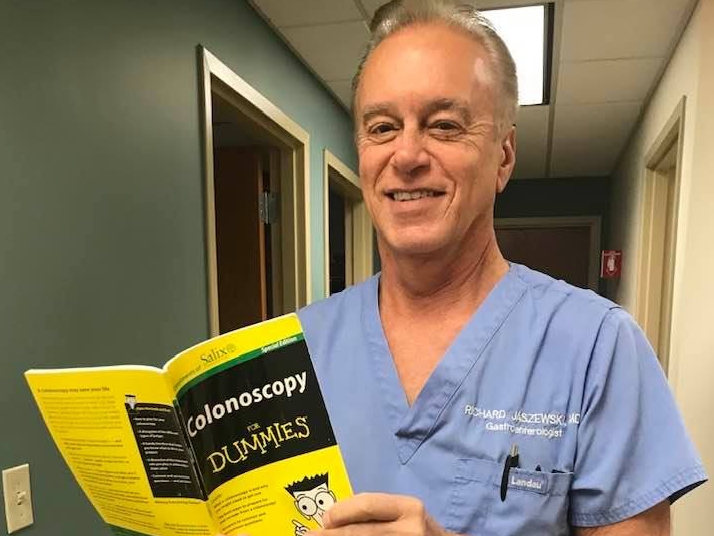
Saying Thank You to Patients
The year was 1990. I was in Detroit, Michigan working as a resident physician in Internal Medicine. Detroit was dilapidated, its old structures were crumbling, boarded up unkempt houses in neighborhoods once humming with life were now empty, desolated, overgrown with weeds. Brick walls of the old houses, once rock-solid were now fragile and cracked, in some of which parasitic plant lives had found foothold telling the story of once mighty Motor City. A drive through such neighborhoods evoked an unknown anxiety and fear that was only interrupted by sight of an occasional industrial park, equally gloomy, in disrepair, hauntingly desolate, behemoth brick buildings with broken glass windows and ragged pitched roofs still oozing melted snow, as if only kept alive in this state of coma by some unknown force just to remind people of the old industrial glory of Detroit. Coming from Bangladesh, an overpopulated country of 2000 people per square miles, it was terribly lonely for me not to see any people on the streets and neighborhoods deserted whereas in my home country it was hard to see an inch of empty spot devoid of humans. I was struggling in my conscious and subconscious to reconcile and digest the contrast. Loneliness that I found impossible in Bangladesh, now in Detroit was over abundant and almost overwhelming. Demand of residency training, both physical and mental vigor that is called for from a young trainee doctor, kept me busy and had distracted me somewhat, perhaps even protected me from the malady of loneliness. Working in a large urban medical school training program I needed to rotate through many different hospitals. Allen Park Veterans Administration Hospital and Medical Center was one such a place. Allen Park, twenty minute South and West of Detroit was a small working class community of Downriver area. Houses were small but neat, yards were tiny yet tidy. The imposing structure other than nearby shopping mall was the VA Hospital. As I drove the very first day of internship towards this hospital, the first sight of the sprawling red-brick building stuck right next to the freeway, with its multi-floored structure and hundreds of small panes of glass windows on all sides seemed like I was being watched by a giant alien with hundreds of eyes looking out over the plains. The sight was overpowering. As I approached the building close, the billowing cloud of smoke from the smoking veterans on both sides of the entrance outside greeted me with an aura of Burmese Opium Den. But time is a great healer; distance is the halcyon; work is the opium; my old familiar sights and sounds from the home country of Bangladesh faded gradually, and soon realities and demands of current surroundings took the center stage. Curious part of my brain sprang back into action again, perhaps I subconsciously realized it to be a healthy distraction from the monotonous grueling work of patient care at the VA Hospital. Often in call nights, I would look through the cracks and crannies of the old hospital building noticing the fine color difference of the two buildings put together, the subtle difference of the pinkish bricks, the variation of the poured concrete, the rusted iron rods sticking out as if I was driven by an impulse to find an old skeleton hidden somewhere. There are times at night I would circumnavigate the old buildings as if I were the Columbus on a mission to discover America. The reason behind as to why the Federal government put this huge hospital in such a place outside the city limits of Detroit was simply another Henry Ford story. In the dark days of Great Depression of the 1930s, the Ford family had donated 38 acres of land to the federal government in Allen Park, MI, as an inducement to set up this VA hospital. The construction work began in 1937. At the end of Second World War as the rank of Midwestern veterans swelled, the hospital was expanded in phases to accommodate the increasing demand. The architects in charge of these renovations never wanted to hide this fact perhaps, because any observant set of eyeballs could easily still tell each additions of the hospital separately. This VA Hospital was gem of a place to learn for any aspiring medical student. Veterans and the teaching faculties were always easy going compared with elite private hospitals and sophisticated patients therein. Veterans on the other hand, did not have any special demand upon the trainees. VA Patients were always compliant and unabashed at the request of physical examination and as of yet, neither there was the looming threat of malpractice law suits, nor there was any pressure from the administration to discharge anyone early to save the hospital money. In fact the pressure was opposite: to keep patients in the hospital for any reason as long as one can, medical to social. It was not unusual to keep someone for days even weeks in the inpatient hospital service because the veteran had no taxicab fare or bus ride to go home. Apparently each individual VA Hospitals used to get budgeted money allocation according to the census of the hospital. The more patients each hospital had in its rolls the more money were to be allocated. I remember one day, the chief of the hospital came in our morning round and told us to “keep as many patients in hospital as you can so our census goes up since the budget allocation time is coming up”! Inside the mammoth building it was gloomy dark with old fixtures. The walls were old and bare, as if the building was missing the touch of a woman and truly it was devoid of women at that time. In my whole time of service over several years, I only got to see two or three female veterans in this hospital. The whole hospital building was made for only men by men. The rare female veterans who were to be admitted were
Saying Thank You to Patients Read More »