The Power Of English: A Pathway For The Youth of Bangladesh

The Power of English: A Pathway to Bangladesh’s Future In 1986, as fresh MBBS graduates and interns from Chittagong Medical College, my classmates and I faced an unprecedented challenge. Unlike in previous years, we did not automatically receive government job postings. Thus, we became the first batch of unemployed doctors in Bangladesh. In true Bangladeshi fashion, my classmates took to the streets in protest, demanding the government fulfill its promise of job placements for newly qualified doctors. While my peers marched for their futures, I chose a different path. I applied for and was awarded the prestigious Rotary Foundation Graduate Scholarship for International Understanding. This scholarship allowed me to pursue graduate studies in the United States, at a medical school in Texas. A year later, I received a letter from my father, containing my government job order from the Directorate of Health and Population Control of Bangladesh. I had been assigned to a rural health complex in Cumilla. By then, one year later, it was clear that my classmates had successfully secured their government positions as doctors. However, by that time, I was deep into my own struggle to establish a medical career in the U.S. So, what set my journey apart? I wasn’t even among the top 20 percent of my class. I hadn’t excelled in the SSC or HSC exams, nor had I attended an English-medium school. My parents were schoolteachers, and with eight siblings, we shared the modest resources of a humble upbringing. Yet, one thing distinguished my path: my proficiency in the English language—specifically, my deep fascination with American English. And the most remarkable part? I learned it for free. The value of the English language has never been greater for the youth of Bangladesh—or the world. Studies show that 90 to 98 percent of scientific literature is published in English. To be disconnected from the English language is to be shut off from a vast reservoir of global knowledge. This was echoed by Nobel Laureate Professor Muhammad Yunus, now the Chief Advisor of the nation, who rightly emphasized the importance of language education for the youth of Bangladesh. In recent decades, the global economy has transformed from a labor-driven model to one increasingly based on knowledge. To harness this transformation, Bangladesh must focus on English proficiency to access the knowledge economy. The aspirations of the country’s dynamic Gen Z can only be realized if the nation transitions from a strict labor-based economy to one driven by information and knowledge. In today’s world, English is the indispensable tool for navigating this shift. Professor Yunus himself is a perfect example of how mastery of the English language can amplify one’s ideas on the global stage. His skillful presentation of his groundbreaking concepts in English has earned him international respect and recognition. His influence extends to the farthest corners of the world, where his message is understood—either directly in English or through translation. Despite this clear need, Bangladesh faces a significant obstacle: a shortage of qualified English teachers at every educational level, from primary schools to universities. Addressing this shortfall cannot be achieved overnight. So, what can be done? At the national level, the government and corporations must prioritize English language education. One promising avenue is to invite English-speaking countries, such as the United States and the United Kingdom, to assist by providing language instructors. The Bangladeshi government, in collaboration with the Ministry of Education, could benefit immensely from engaging programs like the U.S. Peace Corps to send volunteers dedicated to teaching English. On a personal level, there are countless informal opportunities to improve English proficiency. Technology has made learning English more accessible than ever before. With widespread access to smartphones and the internet, students can tap into numerous free resources. For instance, I learned American English by listening to the Voice of America’s English broadcasts—at no cost. This method is still available to anyone today. Additionally, modern educational apps such as Duolingo provide opportunities to learn over 80 languages, including English, entirely for free. I personally use this app to learn Spanish, and I can attest to its effectiveness. In today’s global economy, knowledge, communication, and cooperation are key drivers of success. English is the primary medium for engaging with the world’s vast knowledge base, and its importance in the information economy cannot be overstated. For Bangladesh to unlock its full potential, especially with Gen Z leading the way, the country must embrace and promote English language education. The sooner this becomes a national priority, the sooner Bangladesh will be able to evolve from a labor economy into a thriving knowledge-based society. Dr. Nizam M. Meah, MD

The Power Of English: A Pathway For The Youth of Bangladesh Read More »
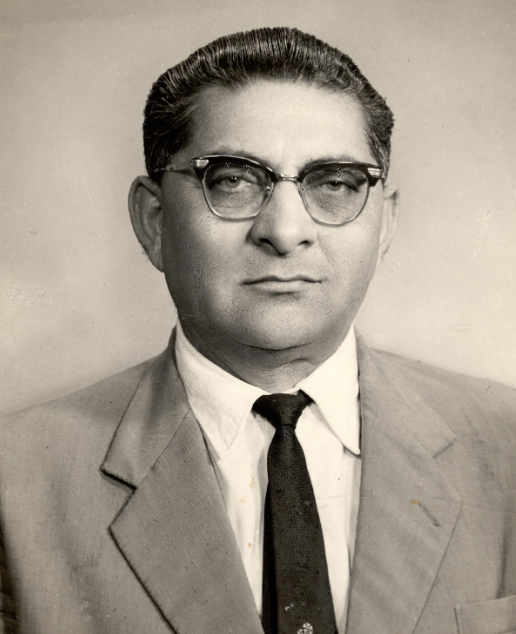
Ahmed Dawood

Titan Implosion: A World Connected, A Story of Humans

A team of five crew members perished on June 18, 2023 on their voyage to explore the wreckage of Titanic. From the news media I also heard each of them paid 250,000 US dollars to pay for the voyage. Although sad, I have no special interest in exploring to what the super rich does with their money and resources. That was until two days later when my mind was drawn to the event hearing that two of the ill-fated people had last names “Dawood”, Pakistani Industrialists. My curiosity sprang up immediately and I could hardly contain it. So I jumped into action. But why? I am not related to this family, my upbringing is far more run of the mill downtrodden compared to this family, I am not even Pakistani, they don’t even know me! Then why am I so curious to know about the two perished billionaires laying 13,000 feet deep in the North Atlantic? Two words about them seized my mind: the last name “Dawood” and “industrialist”. In the 60s and 70s I grew up in a remote jungle town of the then East Pakistan established by a sprawling paper mill, called Karnaphuli Paper Mills, which was at that time the largest paper manufacturing facility in Asia. The factory owner also established a school to educate the children of the workers there and that is the school I had studied from nursery to 10th grade. Not surprisingly, name of our school was also: Karnaphuli Paper Mills School(K.P.M. School). This paper mill was owed by Ahmed Dawood, the patriarch of the family. This was the flagship industry among many he owned across Pakistan. My mother used to be employed in this school as a teacher also. Ahmed Dawood was born in a small town in British colonial India who at his early teenage years had moved to Mumbai to establish his business. An orphan, and a self-learner, having no formal education, he showed his talents in business from very early on. In 1947 with the division of India, he moved with his extended family to West Pakistan, almost empty handed. But talent of entrepreneurship doesn’t stay dormant. He started his business in newly independent Pakistan and soon started several industrial ventures in West Pakistan and eventually extending his industrial empire in both West and East Pakistan. He was reported to be very close industrial advisor of one time military strongman and president of Pakistan, Ayub Khan. Although not formally educated himself, Ahmed Dawood patronized education and invested heavily in this sector including the school where I got my education. I still remember every few months his factory used to donate papers, reams of it, rulers, geometry boxes, school equipment and other goodies in addition to funding free education and bearing all the expenses of the school. His mill also fully funded our Boy Scout programs, cricket and football games and other extra-curricular programs for children to develop. Most importantly, as a demonstration of his direct commitment and patronization, to this school, Ahmed Dawood himself would take part in the annual ceremony of students promoted to the next grade and prize distribution. It used to be festive day with a whole day of celebration and entertainment for all the teachers, students, guardians and the whole community at large. For me such a day came in one summer day of 1967, when I was in Second Grade in my elementary school. All children who secured positions from 1st through 3rd in each class and in other activities were lined up in a separate row. On that day our Headmaster announced the names one by one as each child walked up to the podium, shook hands with Ahmed Dawood, who then handed over the reward to the child in the midst of thunderous claps of the assembled crowd. Eventually when the turn for second graders came my heart was pounding as my name was announced, I was ushered by our homeroom teacher to walk towards the podium to accept the prize from Ahmed Dawood. He was rather a chubby bespectacled man with a constant indefatigable smile on his face. As I approached near him face to face, and our eyes locked on with each other as I looked up to to him, instead of shaking his hand with me, he lifted me up with both of his hands holding me by the sides of my chest and placed my little body rather effortlessly on the table where the prizes were kept. Now I was looking down at him and he was looking up to me; his smile turning into a laughter as he extended his right hand towards my little hand in the midst of laughter of the crowd with their clapping hands. We shook our hands, my little hand totally buried in his adult hand, and then he handed me the prize: a forest green school bag. I used this forest green bag for several years, its strap across my shoulder was rather long even after adjustment of the buckle, and carefully keeping my books and note books inside it, at times making it even heavier than myself. To me it symbolized my achievements and it was an embodiment of my childhood pride and I loved to show it off. It was a direct reward to my hard work. It was gratifying. But more importantly, I associated it with the most accomplished and the most successful person that I knew directly at that time, a person who touched my heart by his kind gesture of lifting me up on the table before shaking his hand with me. Without even pondering over it I knew that was something special and unusual. That was a great boost to my childhood ego. So when I heard and read in the news media that the two of the five perished people in Titan, the ill fated submersible on way to Titanic were surnamed Dawood, my mind was ceased by the compulsion of finding their

Titan Implosion: A World Connected, A Story of Humans Read More »

Looking For My Mother…. Look No Further..

37 years had passed by, but even today my mother continues to inspire me. When I spent the last days with my mother, I was young, excited and, naïve in my mid 20s when I just got the visa to my dreamland, the United States of America.  I was scared to death, still I was so excited at the prospect of setting foot in my dreamland. My last day with her was at the dilapidated airfield, in Chittagong, Bangladesh, at the farthest shores of the Bay of Bengal, the same place that has been used by the British and the allied forces to launch the counter offensive against the occupying Japanese army in Burma frontier, where first leg of my journey to US began. Before I was boarding a small airplane at the time of departure, little did I know that this was the last time for me to see my mother. I didn’t know it myself but perhaps my subconscious knew it.  Perhaps that was the reason I fell onto her feet and asked for her forgiveness for all the troubles I had caused her while growing up.  Coming to America and looking for new opportunities wasn’t an easy path. For few weeks, my daily sustenance was two pieces of bread and peanut butter. I couldn’t have even eaten those unless my mother gave me the $23 in the Chittagong airport with which I landed in USA. I remember in the airport she asked me, “Son how much money do you have with you?” “What are you talking about mom? I’m going to the richest country in the world, they are flushed with money everywhere!”, I retorted with all my naivety and ignorance of young age.  My mother just smiled and looked at me directly into my eyes and said, “Don’t be crazy my son, you always need some money in your pocket.” Then she took me to the foreign currency counter right across the waiting room and poured out all the notes and changes she had in her purse, which translated into total of $23 in the US currency. She tucked in those currencies in my front pocket of my shirt. With that money in pocket, I started my journey to the United States. Needless to say, I was naive to say the least and it took a long time for me to grow up and to understand the realities of America. I am now settled in my American life with a comfortable profession and a number of rewarding avocations. As a gastroenterologist, in my day-to-day practice I listen to lots of stories of people and their families. In the pursuit of my profession, I have become a communicator and lots of my patients know me for many years to an intimate degree. The other day one patient told me, “Doctor Meah, you work really hard”. I looked at her and told “Really?” I was not surprised though; this is not the first time I was told that I work “hard”. I consider this as a characteristic of being an American, a quality Americans have been endowed with as part of their culture. However, this time my mind wandered back to an introspection: I wonder if I truly work hard, how do I do it, what is my inspiration? It didn’t take long for me but few seconds to realize that my inspiration comes from my mother. My mother worked as a schoolteacher outside home and inside home she worked as a homemaker.  In addition to me I have eight siblings. She did full time work as a teacher and at the same time almost every other year she gave birth to a child, total nine of them. I have never seen her complaining about her work as a teacher or at home. And I have learned a lot from just watching her after her school job doing cooking for us and feeding us and then supervising us doing our homework.  She even found time to sew our clothes and even doing crochet to make sweaters for us during the winter time.  One particular memory etched in my mind is about our home electrical breaker going off frequently as a result of which we used to lose electricity. The fuse needed to be replaced. In those days in Bangladesh the electrical fuses were not automatic and enclosed as we see today. One really had to open the main electric box, pull out the ceramic device out and replace the thin copper wires in it manually which acted to complete the circuit. So, this was a big and potentially dangerous chore, and most of the times people would call an electrician to do this. However, that meant long waiting time could be even more than 24 hours. So, one day as our main breaker went off, my mother said, “We are not going to wait for the electricians anymore, we are going to do it ourselves.” She gathered the screwdriver and a plier and handed these to me to work as her assistant. I stood by her on the floor to hand her the tools as she got up on the chair to reach the breaker and handed her the tools as she called for it. I watched her as she pulled out the ceramic switch, replaced the burnt-out old copper wires and replaced it with the new ones with her dexter hands. A little later after she had put everything in its position, she closed the lid of the master breaker and turned it on.  Voila the electricity was restored in our little two-bedroom house. I looked at her with awe; it was a tremendously empowering experience. In addition to cognitive learning, reading, and writing these are other things that I have learned from her consciously and subconsciously. As a result, I have developed an immense respect for handiwork and to stay busy. This has probably inspired me to my hobby of working as a rancher and doing little carpentry work whenever I

Looking For My Mother…. Look No Further.. Read More »

March is Colon Cancer Prevention Awareness Month

Colon cancer is one of the leading causes of cancer deaths in the world, but the good news is that it can be prevented through a combination of lifestyle changes and early detection. In this post, we will discuss some effective ways to prevent colon cancer. First and foremost, it is essential to maintain a healthy diet and healthy lifestyle. A diet that is balanced and rich in fruits, vegetables, and whole grains can lower the risk of colon cancer, while consuming excessive red and processed meats, fried foods, and sugar can increase the risk. Additionally, it’s recommended to limit alcohol consumption and maintain a healthy weight. Regular exercise is also an important factor in preventing colon cancer. Physical activity has been shown to reduce the risk of developing the disease to a surprisingly high degree, and it’s recommended to get at least 30 minutes of moderate exercise every day. There is not one single mechanism that people develop colon cancer. Like any other cancers, it is a very complicated process and many factors including genetic changes predispose humans to develop colon cancer. All of them may not be totally preventable even by using all available means of good healthcare practices. Therefore, another important aspect of colon cancer prevention is early detection. Screening tests such as a colonoscopy, stool tests, based on both occult blood detection and detection of abnormal DNA or mutation of DNA can help detect colon cancer in its early stages, when it is most treatable. Screening is usually recommended for people over the age of 45, or earlier if there is a family history of colon cancer. Screening colonoscopy plays a critical role in the prevention of colon cancer. During a colonoscopy, a physician inserts a long, flexible tube with a camera attached into the rectum and colon to examine the entire colon. This test allows the physician to detect polyps, which are small growths on the colon wall that can develop into cancer over time. If polyps are found during a colonoscopy, they can be removed immediately, preventing them from developing into cancer. In addition, colonoscopies can detect early signs of colon cancer, which can be treated more effectively when caught early. Screening colonoscopies are recommended for individuals over the age of 45, or earlier if there is a family history of colon cancer. Regular colonoscopies can reduce the risk of developing colon cancer by detecting and removing polyps before they become cancerous. In this way, screening colonoscopies play a crucial role in the prevention of colon cancer. Finally, it is important to quit smoking, as it has been linked to an increased risk of colon cancer. If you are a smoker, quitting can help lower your risk, and if you’ve never smoked, avoiding exposure to secondhand smoke can also help reduce your risk. In conclusion, preventing colon cancer requires a combination of lifestyle changes, such as maintaining a healthy diet, regular exercise, and avoiding tobacco, and early detection through screening tests. By following these tips, you can reduce your risk of colon cancer and increase your chances of living a healthy and disease-free life.

March is Colon Cancer Prevention Awareness Month Read More »

A Very Short Story Of US FED OR Federal Reserve Banking System

A Very Short Story of US FED or Federal Reserve Banking System Nizam M. Meah, MD This year’s Nobel Prize in economics was issued to three US professionals who specialized on Bank Runs; i.e. when customers are on an economic panic thinking that their bank is about to fail and lose trust in banking system. These economists also explored the role of US Federal Reserve Bank or simply FED in such a situation and their conclusion is very positive for the FED. But the history of FED is nothing short of stormy and bitter rivalry in the United States: our founding fathers in general were vigorously against a central banking system since in the pre-independence era, Colonial Power Britain tried to impose control over the colonies by Bank of England, yes, the same famed BOE that you hear about regarding the financial crisis of current UK. After independence of the USA the First Bank of US was created in 1791 charter signed by our first President George Washington, the charter of which expired in 1811 and Congress did not renew it, so the First Bank of USA died. In 1816 Second Bank of US was chartered and Andrew Jackson was elected President in 1829 who called this Bank as “the den of serpents and corruption”. Jackson embroiled himself in a bitter political fight with other leaders and Congress leaders on this issue and this ultimately killed the Second Bank of US in 1836.  Then came the Era of “Free Banking” in the USA: 1836-1862- we had no central dollar bill, no real treasury notes, many banks had their own bills and own money, and anyone could do anything in short although many States chartered their own bank and there was NO NATIONAL BANK. Then came the Civil War and in 1863 and effort was underway to create another Central Banking System due to mainly from the need of Civil War: need for a uniform currency and need for Bond or treasury to fund the Civil War. In 1907 there was another severe economic crisis in US and at that time it was understood that there will lot more economic crisis which could be even worse than this. This realization led to a foundation of a primitive FED system and this concept matured through lots of complex interplay of politics, First World War, and other events and in trying to balance the interest of wealthy corporations, farmers, and other lobbies. Finally in 1913, current FED or Federal Reserve took shape which was given authority by US Congress to “create or destroy money” as it needed.  So today what happened to President Andrew Jackson who destroyed the early FED system in USA? He is memorialized and celebrated in our all-important $20 Dollar Bills. What happened to Bank Of England which our Founding Fathers hated? Over time BOE became the little poodle of US FED system almost running and copying everything from its big brother USA and its vast economic success. Sweet revenge indeed!

A Very Short Story Of US FED OR Federal Reserve Banking System Read More »

Boro Amma- The Great Mother & Story of Motherhood

Morning of October 1942, Chittagong, British Colonial India  Chittagong was a sleepy, largely agrarian town, still languishing in the backwaters of the British East Indian Colony. As the early winter fog was still hesitantly floating in the air, sudden howling of aerial attack sirens rang out from the nearby British and Allied military barracks. Soon, waves of Japanese Bombers started dropping the payloads over the town. The Japanese air-attack was instantly followed by thuds of anti-aircraft batteries fired from the British bases as they engaged the attackers from this Air-Naval base.  On this same day of October 27, 1942, shrill cries of children and relatives rang out in the unison in the household of Antoo Miyan Chowdhury and Pori Roksar Begum. The gathered elders and men of the family started chanting “La ilaha il-lal-la-No God but Allah”, their collective voice took on the gravitas of gnostic melody, as Pori’s body laid motionlessly on her bed. Someone pulled the white shroud over her body soon covering her pale bloodless face. As the cacophony of mourning voices of men, women and children merged together like an operatic performance, one was the most distinct with mournful timbre in that bamboo thicket house with a corrugated tin roof.“Pori? Why did you leave before me? How could you go before me?” The mourning and melancholy of the voice gave her identity away: only a mother could be so sad, she was none other than of Sabeda Khatun, Pori’s mother. Chittagong, being in a far-flung corner of the British Indian Colony bordering Burma (Myanmar in the present days), was still almost unknown to the world and was still hidden away from the limelight of the constant World War II news reports which were only busy with the reports of European frontlines. Almost nothing was reported from this area in what was the mainstream media of that time, although the ferocity and atrocities of the war were no less than the European frontlines. But lying in the hinterland of Indian subcontinent provided no respite to my ancestral hometown of Chittagong from the devastation of World War II. It quickly became a hub of frantic military staging operations for the British Army. By this time the Japanese Imperial Army had occupied large part of Burma with the cooperation of local Burmese and had posed a direct threat to what was the territory of Indian Colony itself.  At this time, British Major General Wilfrid Lewis Lloyd was commanding the battle to recover from what was until then a humiliating defeat of the Allied armies at the hands of the Japanese Imperial Army in the Burma Front. Chittagong Nestled by the shores of the Bay of Bengal, with continuous and contiguous Burmese shorelines, Chittagong still defines the transition of India-South East Asia with Indochina or with Far East Asia. It was the perfect geographic and strategic fit for the advance military supply base that could be reinforced from the sea and the air routes in Burma Campaign. The Americans also provided significant logistical support via Chittagong as British Allied fighters assembled for the fight in Arakan, the westernmost Burmese province adjacent to Chittagong. The assembled troops were diverse and included conscripts, soldiers, and other personnel from all parts of India, and as far as West Africa. The first reported Japanese bombing of Chittagong was on August 9, 1942, which, intensified during the subsequent months and by October it was so intense that my grandmother Pori’s burial had to be delayed on October 27, 1942. Pori & Antoo Miyan Chowdhury Pori Roksar Begum was my maternal grandmother whom we call “Nani” in local Chittagong dialect. She was the oldest of four children of Sabeda, and Ahmed Kabir (Sabeda’s husband). Pori had died when my mother was barely ten, we never had a chance to meet her in person.  Her parents had named her Pori, meaning Angel, for the angelic beauty and mild manner she showed from her childhood onward, according to family’s history. But little did they know then while naming her that she would turn out to be physically fragile all her life as well. As was customary in the society of the then, Pori, in her mid-teenage years, married my maternal grandfather, Antoo Miyan Chowdhury, my “Nana“. He was one of the first Muslim graduates in Chittagong with a BA degree at a time when the Muslims from the Indian subcontinent had just begun their struggle to regain their rights to get an education and enter the job markets after a long period of marginalization and discrimination, both at the hands of the British colonialists who wrestled the power away from the Muslim dynasties and later at the hands of the Hindu majority who more closely allied themselves with the British before the Muslims could accept and reconcile with the new reality of being the losers and the underdogs in the wake of a new power structure. Nana was a government servant of the British Raj, a position commanding considerable social respect and financial security. His homelife flourished as well, as during their married life of ten years, Nana and Nani Pori had seven children. Each pregnancy happened before she could fully recuperate form the previous childbirth and left her weaker and sicker than ever. Her seventh child, a boy, was born in 1942 through a difficult delivery at home. And so, it seemed that by this time, Pori’s young body had produced enough children and could not give birth anymore. Although the newborn was healthy after the long birthing process, Pori never regained her place in her world. All her seven deliveries were at home under the care of her mother and local elderly women (midwives) who lacked any formal medical training. Hospitalization for childbirth was not ever heard of in those days in this society. The midwives and elder women who supervised the childbirths of Pori at her home were at a loss to explain her deteriorating condition. They told she had chutabai, a basket term in the local Chittagong

Boro Amma- The Great Mother & Story of Motherhood Read More »

bosnian genocide

Bosnian Genocide in Medical Practice

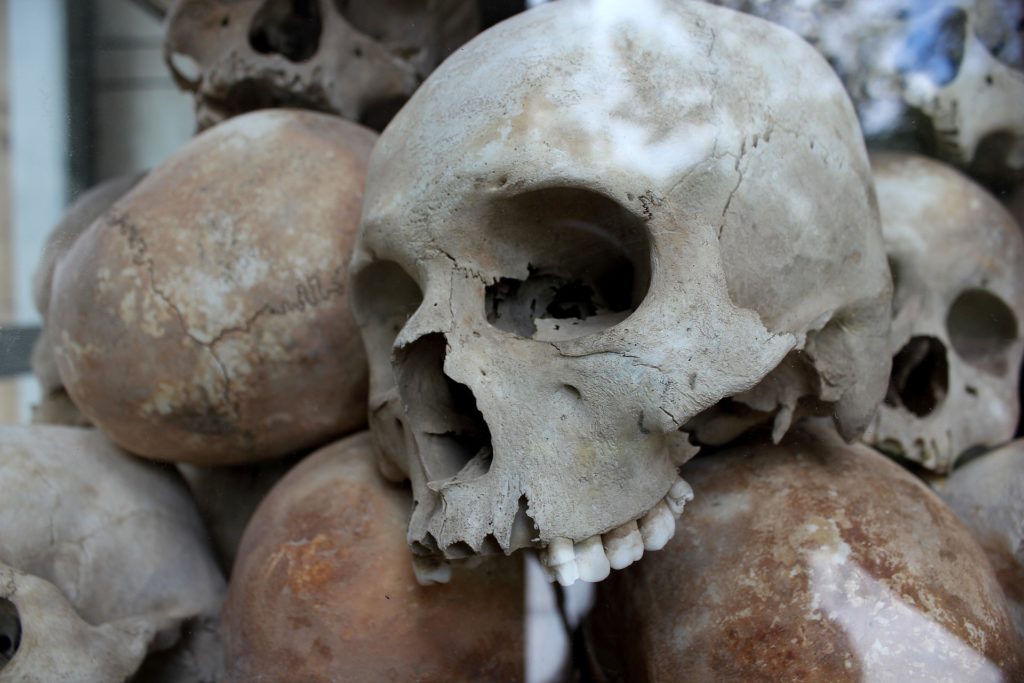
Yesterday I visited Emete, he was paralyzed, seated in a wheel chair accompanied by his wife who brought him to my office. I have known this man since the early days of my practice: he is a refugee from Bosnia, one of the Bosnian Muslims. Over 100,000 Bosnian Muslim men and boys were systematically massacred by Serbian army and paramilitary who are predominantly Christians in the heart of Europe in the mid 90s as part of a brutal campaign for ethno-religious cleansing and elimination of a people from the heart of Europe. I was in my fellowship training in those dreadful days as we watched and read the news with horror with graphic images as the Serb forces day after day slaughtered tens and hundreds of Bosnian Muslims. But that was hardly the end of the story- women had to absorb the most brutal part of this violence. Thousands of them were raped and made pregnant by their Serbian captors and were held as hostages. They were used as the ultimate tool of message of domination over the Muslims. There are reports that when raped women were let go, they were held until the pregnancy was at an advanced stage to ensure that they could not abort the fetus. This child, born of Serbian rape, was supposed to serve as the ultimate symbol of Serbian domination over Muslims who are really no different than them ethnically but only differed in religious belief. After finishing my gastroenterology fellowship training in Detroit I started my practice in Houston Texas. I was surprised to have Emete as one of my first patients! I have always been an avid news consumer and a history junky, characteristics of my atavistic origin, passed down from my parents and families who had the same passion. I felt an immediate connection with him. I was not only interested in him as patient, but I was more interested in him as a human- to me he was the symbol of human survival against all odds, he was standing tall as a surviving member of a people who experienced genocide in our times. His personal history of survival was not surprising at all: to survive he lived in the forests of Bosnia with family members for several months drinking only from snowmelt water and foraging on wild plants and tree barks. His own Serbian neighbors who were once his friends and he had social interaction with, now turned into enemies. They are the ones who pointed out the Muslims to be hunted down living among them to the Serbian Army and Paramilitaries. Sometimes even the civilian neighbors turned into brutal persecutors, butchers of innocent Muslims. And exactly this is the fate met by Emete’s family. Emete and his family were already on high alert knowing that the killing, raping and looting had began targeting the Muslim communities all over in Bosnia. Majority of the grown up men and boys of his village were already in hiding. They knew that one of the belief the Serbians had was that if they could eliminate all the Muslim men, there will be no one left among Muslims to procreate and support the family. The helpless women will now be only low hanging fruits for the Serbians. Thus elimination of Muslims will be attained while at the same time it will be swell of a time in enjoying and using Muslim women as womb machines to produce more Serbians. Believing that women and little children were relatively safer at home than living in the forests exposed to the elements without any amenities of living were too much of a hardship for them, Emete and other male members of his village left the infants and their mothers at home while they escaped in the deep forests, only occasionally visiting them in the midst of nights or small hours of the mornings so they could evade the enemies. Even before the war broke out, Serbian Christians organized regular patrol and recruited paramilitary forces from all over the territory. It was a routine for them to be driving around the neighborhoods and villages with Muslim population in open backed trucks with gun-toting and hurling insults at the Muslims. One morning such a Serbian paramilitary patrol truck stopped right in front of Emete’s house. Eight or ten armed people jumped out of the back of the truck and entered the house simply kicking and breaking the door without any knock. They looted the house and stripped it of anything of value and loaded up the loot in their truck. Emette’s wife, the only adult left at home with two children was kind of expecting it. She heard rumors from other villages that this is taking place regularly, she thought to herself it was a matter of time but still she was hopeful for the impossible, that perhaps she and her family might luck out and escape the worst fate. Once her house was looted and everything was loaded in the green truck, feeling a strange sad relief she though her nightmare was over, at least no bodily harm had befallen upon them. Before even she could take a deep breath of relief from the horror, she heard the Serbian men coming back. But she sensed right away, this time they turned more sinister. The pleasureful glee the Serbian men had during looting demonstrating that they had enjoyed the act as entertainment just few minutes ago had this time seemed to have evaporated. She sensed something more fearful than ever before in the wind. With her fearful glance, Emete’s wife could see the young men’s stern face with deep furrows on their foreheads, their eyes seemed exuding fire, they looked more like pack of wolves in pursuit of hunt, not humans. They walked through the house, pulling down and then throwing her head cover on the floor and grabbing her by her long hair. Then they pushed the mortified little girl standing by the side of the mother

Bosnian Genocide in Medical Practice Read More »

Connecting with Patients, Humans

I was in a phone consult yesterday, a phenomenon that had taken shape in the Covid era. Many of our patients prefer to “visit” us over phone or over FaceTime or Google or some other platforms. She was a new patient in our practice and this was our first encounter. My patient on the other side of the line was a healthy 51 year old who needed a preventive or Screening Colonoscopy. She had never seen me before, and naturally she had some reservation. Colonoscopy is also an invasive procedure and any normal person would have some concern related to any such medical procedure. After the initial standard greetings and mutual introduction, I went to the part of gathering questions which in medical science or in medical practice craft we call “Family History”. It turns out that she lost both of her parents quite early in her life. As soon she told me this story, it reminded me of my own family history that I lost my mother when she was only 54. My brother, who was youngest of the nine of us was only a teenager at that time. This memory is something that works on my background all the times, 24/7/365. I have adjusted to it, but I mourn it everyday. Instead of holding it, I decided to share this with my patient, openly and in elaborate details. I told her how I feel everyday from this loss, the melancholy that is always in the background. I shared with her my own pains, pangs, angsts and my own vulnerabilities. Her anxiety, fear and reservation melted like a piece of icicle held inside the fist melting with the body heat right away. I could feel even over the phone line that she had developed a picture of mine in her own mind. Her guarding was totally gone. We truly saw us, each other as doctor and patient, in our mutual story even before seeing each other physically. We are totally connected at the human level. From here on, rendering care for her, and earning her trust in my care had no resistance, our flow of human connection was a spontaneous waterfall that had crossed and overcame all the barriers of boulders and mountains. I have always found storytelling and story listening to be the best tools for a physician in the art of the craft, craft of practicing medicine. Nothing connects us as human being than for a patient to hear our own stories of vulnerabilities, anxieties and emotions. For last several years I have been arguing with my medical school faculties to change the terminology of teaching “History and Physical Exam” to “Story and Physical Exam”. History is something objective after multiple source verification and verifying with, counseling with many experts. In doctor patient interaction, we are interested in personal perspective, a very personal story, not a history. We are not looking for dissertation of a pundit, which is history, we are looking for a details coming out of our own patient’s heart and mind. And it is not a one way street, it is a two way street to connect. Story listening works best when we, medical providers are also willing to share our own storytelling. Words to have meaning and in this day and age, for medical practitioners to serve we need to the level of humanity not in the pedestal of medical jargon.

Connecting with Patients, Humans Read More »

My Story

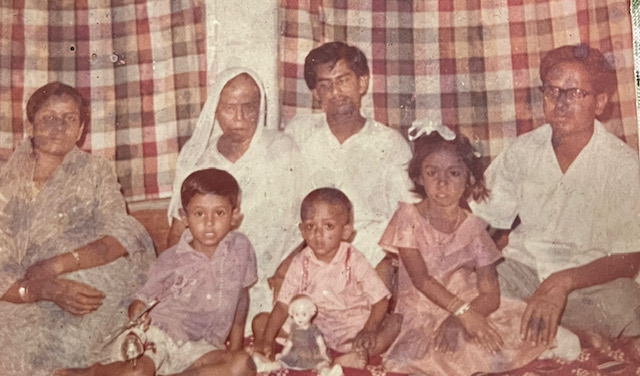
I am a physician, a gastroenterologist. What I do is take care of the patients who are suffering from Gastrointestinal or digestive problems. Someone might come to be for reflux problems, someone for ulcer pain, and someone for diarrhea or constipation. Or someone might come to me just because they are perfectly healthy and need a screening for colon cancer or prevention of colon cancer. But my story began much earlier, beyond the shores of the Atlantic or the Pacific. You see I was born in Bangladesh, well the then East Pakistan in a town nestled by the remote shores of the Bay of Bengal. Both of my parents were teachers, supporting a family of nine children with their meager salary. It is their sacrifice and inspiration that made me into what I am today. I always wanted to be an architect! After the college exam, I traveled across the country and visited colleges and universities and spent time with relatives in capital Dhaka and other places. Soon after this trip I was ready to enroll in the professional school. One sweltering night we gathered for our supper, which was around nine or ten at night since back in the old country we are used to taking evening snack with English tea and biscuits, or cookies in American terminology. For our supper we used to squat on the kitchen floor, in a six by ten feet space; all of us used to huddle next to each other with our bottom on a six inch wooden tool locally called as “piri” , our both knees straight upright with our stomach squeezed. In addition to her regular job as a teacher and hundreds of chores, my mother used to cook fresh on earthen stove burning firewood that we used to collect from the jungles. She would serve us while keeping the items warm with the glowing fire, she would never eat until we are done. She had no options either, this was the 1970s in the old country, we had no refrigerator, meals had to be cooked for every meal and finished shortly before it goes bad. As I was slurping the rice and curry from the plate this night and so as everyone else, my mother asked, “So son, you have visited the universities and colleges, what have you decided?” “Apply in School of Architecture, mother” seemingly confident and eager I was. The overcrowded kitchen with nine siblings, a father and a mother, all of them with a plate of food in front of the glowing inferno of the burning firewood went silent; all I could hear was slurping of the curry and cracking and hissing of the firewood burning in the stove as the last bit of wood oil tries to escape from the end of the charred wood. My father’s voice this time triumphed over the burning wood, “Son, we want you to be a doctor”. And then another brief silence to be only broken by arrhythmic cracking of the firewood, and this time I gathered all my inner logic and rebutted, “But my older sister is in med school, she is going to be a doctor”. My sister is our oldest sibling and by this time she was in the first year of medical school. Without taking out much time this time my mother forwarded, “Son, your sister is her own, she will be married off and make her home with her in laws, you are for us!” Her statement although I did not fully agree with or comprehend totally was reflective of deep thinking and cultural norm of Bangladesh that girls will be serving their husbands and I as the oldest son I had my own responsibility towards my family; it was my job to lift up rest of the siblings. This is how, societies in scarcity work, parents invest while they can in the first few children, and these older children lift rest of the family. This is why a son is so important in a developing country. The kitchen fell silent again, I did not agree neither did I protest, but, I must have been convinced, because the next thing I discovered in months to come was that I had enrolled in the medical school. In the medical school, I was not a happy camper; I was a frustrated student, for two reasons: I had like to be an architect first and secondly, I had always dreamed of being in America and part of this great nation since my 6th grade. Just about that time all my relatives and friends who were well to do got admitted in America and I was left behind knowing all well that I am from a lower middle class family and to be enrolled in an American school was beyond my parent’s means. This was further escalated by the grueling basic science syllabus of first two years of med school. The very first day, we were locked in the Anatomy Dissection Room with the formalin preserved cadavers, the rancid smell was unbearable let alone overcoming the shock of seeing and cutting into a dead body lying on the table right before us. The other subjects like Biochemistry were equally boring if not tormenting. In those days, they did not allow med students to start working in the clinic with real human beings for first years. In spite of all of these, I could pass and got promoted in the Third Year when I could go to the “Ward” in our British system of education, interacting with real patients. And in no time, I had a new birth of my soul knowing for the first time that every human was a story, even every disease had a story of its own, in medicine we call it “Natural history of a disease”. My life changed overnight and I started working hard and feeling good about it. I always liked story, story is primal, story is our essence. Liking story, is

My Story Read More »